
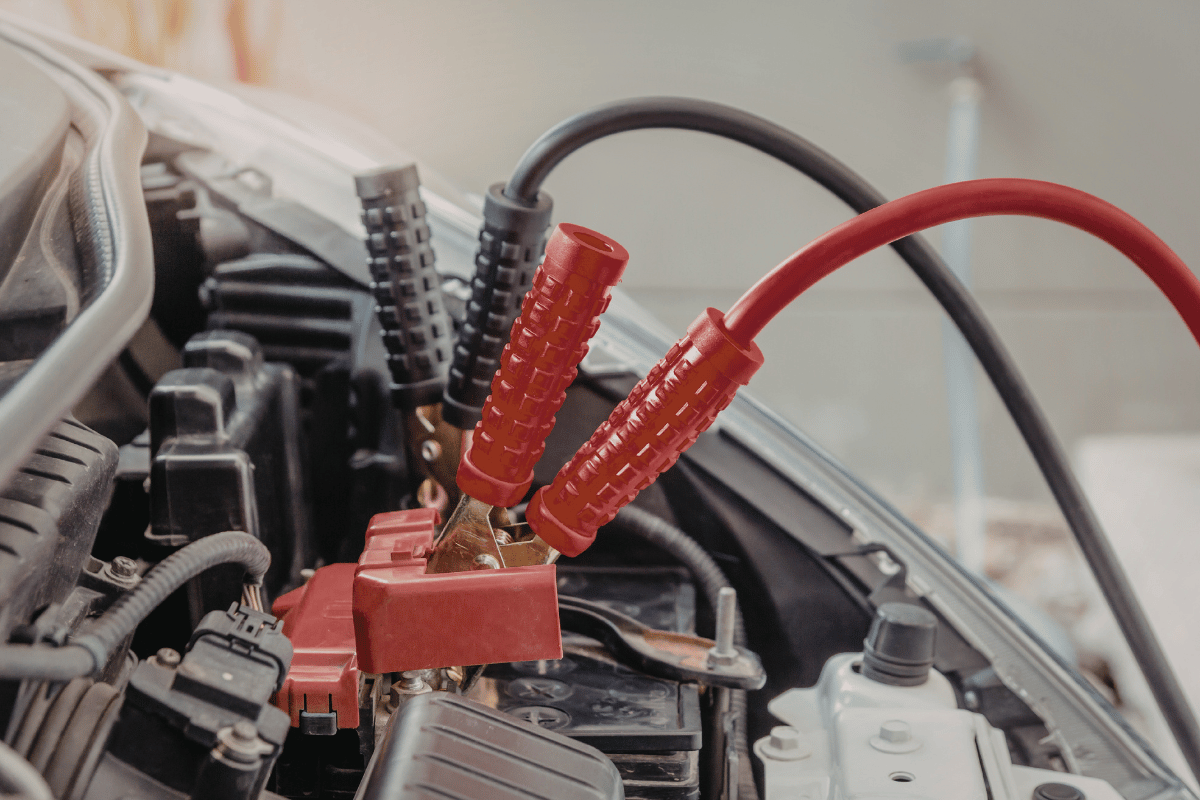
If your car won’t start, a dead battery is often the reason. Knowing how to jump start a car safely can get you back on the road quickly. But doing it incorrectly can damage your vehicle or create safety risks.
This guide explains the correct method, what to watch out for, and how to handle common problems.
Quick Answer: How to Jump Start a Car
Here’s the correct order to jump start a car:
- Park both cars close but not touching
- Turn off both engines
- Connect red cable to dead battery (+)
- Connect red cable to working battery (+)
- Connect black cable to working battery (−)
- Connect black cable to metal surface on dead car
- Start the working car, then start the dead car
- Remove cables in reverse order
This method is widely recommended because it reduces the risk of sparks and electrical damage
What You Need Before You Start
Before you begin, make sure you have jumper cables and access to a second vehicle with a working battery. Both vehicles should have the same voltage, which is usually 12 volts.
Take a moment to inspect the battery. If it looks damaged or is leaking, do not attempt a jump start. This can be dangerous and should be handled by a professional
Step-by-Step Guide to Jump Starting a Car
Position the Vehicles
Park both cars so the batteries are within reach of the cables. Turn off both engines and engage the parking brakes.
Identify the Terminals
Find the positive (+) and negative (−) terminals on each battery. Make sure they are clean and easy to access.
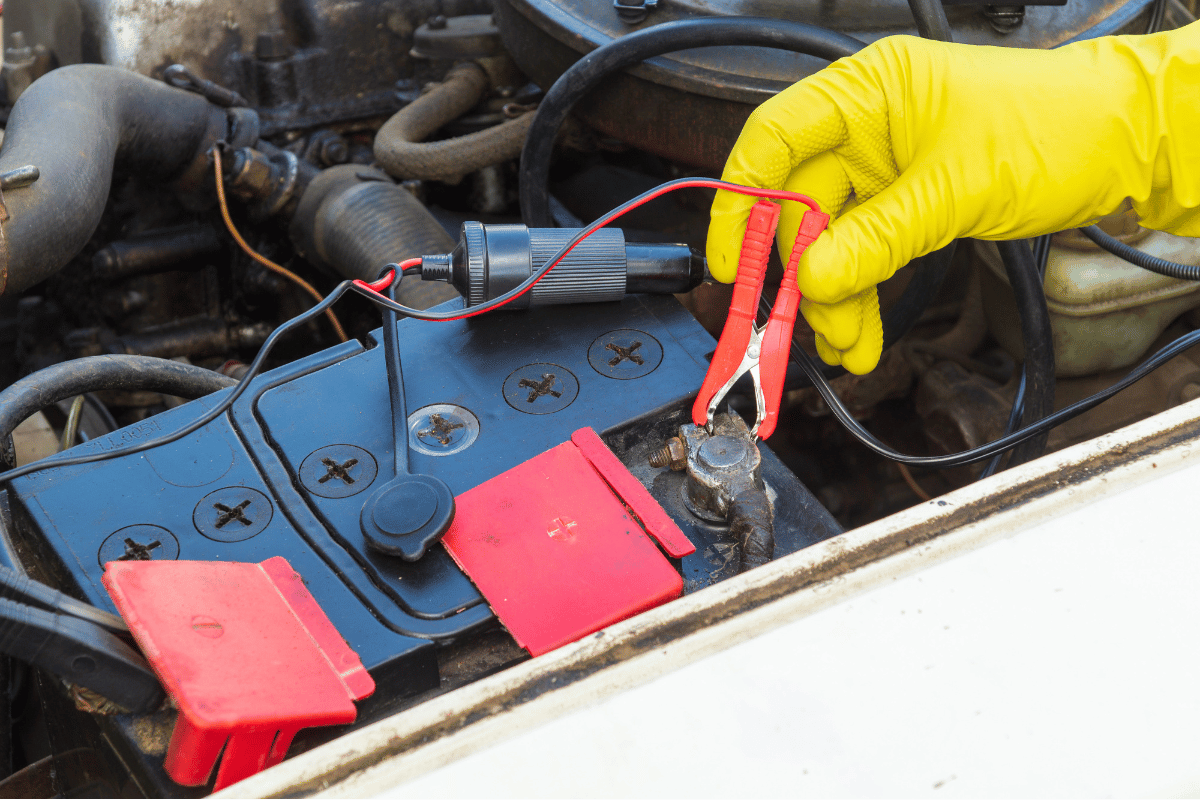
Connect the Cables Properly
Attach the cables in the correct order. The final black clamp should go to an unpainted metal surface on the car with the dead battery. This helps prevent sparks near the battery.
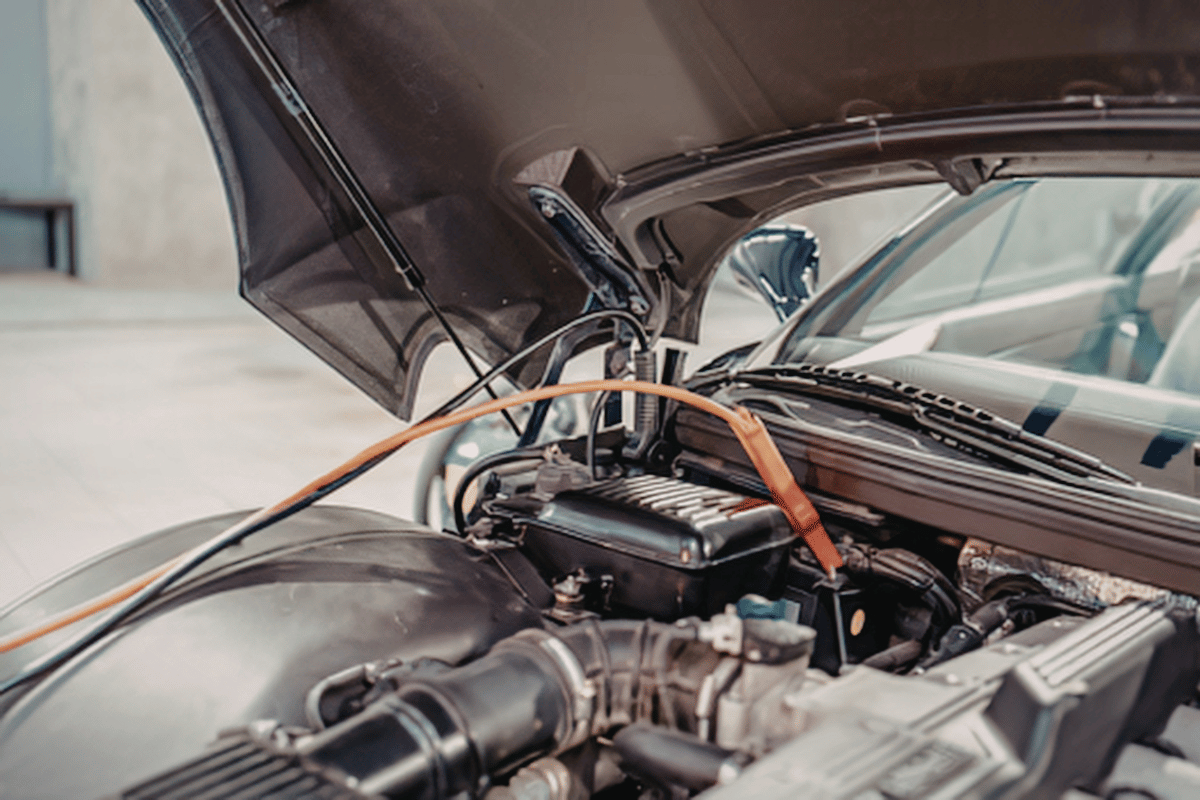
Start the Vehicles
Start the car with the working battery first. Let it run for a few minutes, then try starting the other vehicle.
Let the Engine Run
If the car starts, let it run for at least 10 to 15 minutes so the battery can recharge.
Disconnect the Cables
Remove the cables in reverse order to avoid electrical issues.
What If the Car Still Won’t Start?
If your car doesn’t start after a jump, the issue may not be the battery.
You might notice a clicking sound, which can point to a starter problem. If the lights come on but the engine doesn’t turn over, the issue could be related to the ignition system or a fuse. In some cases, the car may start but shut off again, which usually means the battery cannot hold a charge.
These signs often indicate a deeper mechanical or electrical issue
Safety Tips You Should Follow
Jump starting a car is simple, but safety matters.
Never connect the cables in the wrong order. Avoid touching metal parts of the clamps together. Keep flames and sparks away from the battery, since batteries can release flammable gases. Also, avoid wearing metal jewelry while working near the battery.
Improper handling can lead to electrical damage or even injury
What to Do After a Jump Start
Once your car is running, it’s important to let the battery recharge properly. Driving the car for about 20 to 30 minutes usually helps restore enough charge.
If the battery dies again soon after, it may be nearing the end of its lifespan. Most car batteries last around 4 to 6 years depending on usage and conditions
Common Situations Drivers Face
Many drivers experience a dead battery at the worst possible time. For example, leaving headlights on overnight or dealing with cold weather can quickly drain a battery.
In busy areas or late at night, finding another vehicle to help may not be easy. In those cases, having a basic understanding of the process helps you decide the next step safely.
FAQs About Jump Starting a Car
How long should I wait before starting the dead car?
Wait a few minutes after starting the working car to allow some charge to transfer.
Can I jump start a car without cables?
Yes, a portable battery booster pack can be used instead of another vehicle.
Is it safe to jump start a car in the rain?
It can be done, but extra care is needed to keep connections dry and secure.
Why does my car keep needing a jump start?
This usually means the battery is weak or there is a problem with the charging system.
Can jump starting damage electronics?
Yes, if the cables are connected incorrectly or removed the wrong way.
Understanding how to jump start a car gives you more control in an unexpected situation. The process is simple when done correctly, but attention to detail is important to avoid damage or risk.