
Your car rarely breaks down without warning. In most cases, it gives small signs first. The problem is that many drivers miss them.
A failing alternator is one of the most common causes of unexpected breakdowns. It starts with minor electrical issues, then quickly turns into a situation where your car won’t start or suddenly shuts off while driving.
If you’re on the road in Halifax, NS, especially during busy hours or bad weather, that kind of failure can leave you stuck in a dangerous spot. Understanding the early warning signs helps you act before it turns into an emergency.
What an Alternator Actually Does
The alternator plays a central role in your vehicle’s electrical system. Once the engine is running, it takes over from the battery and powers everything, including headlights, dashboard systems, radio, and charging ports.
At the same time, it keeps the battery charged. If the alternator starts to fail, the battery begins to drain, and the entire electrical system becomes unstable.
That’s why alternator problems don’t stay small for long. They affect everything in your car.
Early Signs Your Alternator Is Starting to Fail
Dimming or Flickering Lights
One of the first things drivers notice is a change in their headlights. They may appear dim, flicker while driving, or change brightness when you use other features like the AC or power windows.
This happens because the alternator is no longer supplying consistent voltage.
Electrical Features Acting Strange
Modern vehicles rely heavily on electronics, so alternator issues often show up as small but noticeable glitches.
You might see your windows moving slower than usual, your dashboard lights flickering, or your radio randomly turning off. These issues may seem unrelated at first, but they often point to one underlying problem.
Battery Keeps Dying
A common mistake is assuming a dead battery is always the problem. In many cases, the battery is just a symptom.
If your car needs frequent jump-starts or the battery dies shortly after being replaced, the alternator may not be recharging it properly.
Warning Light on the Dashboard
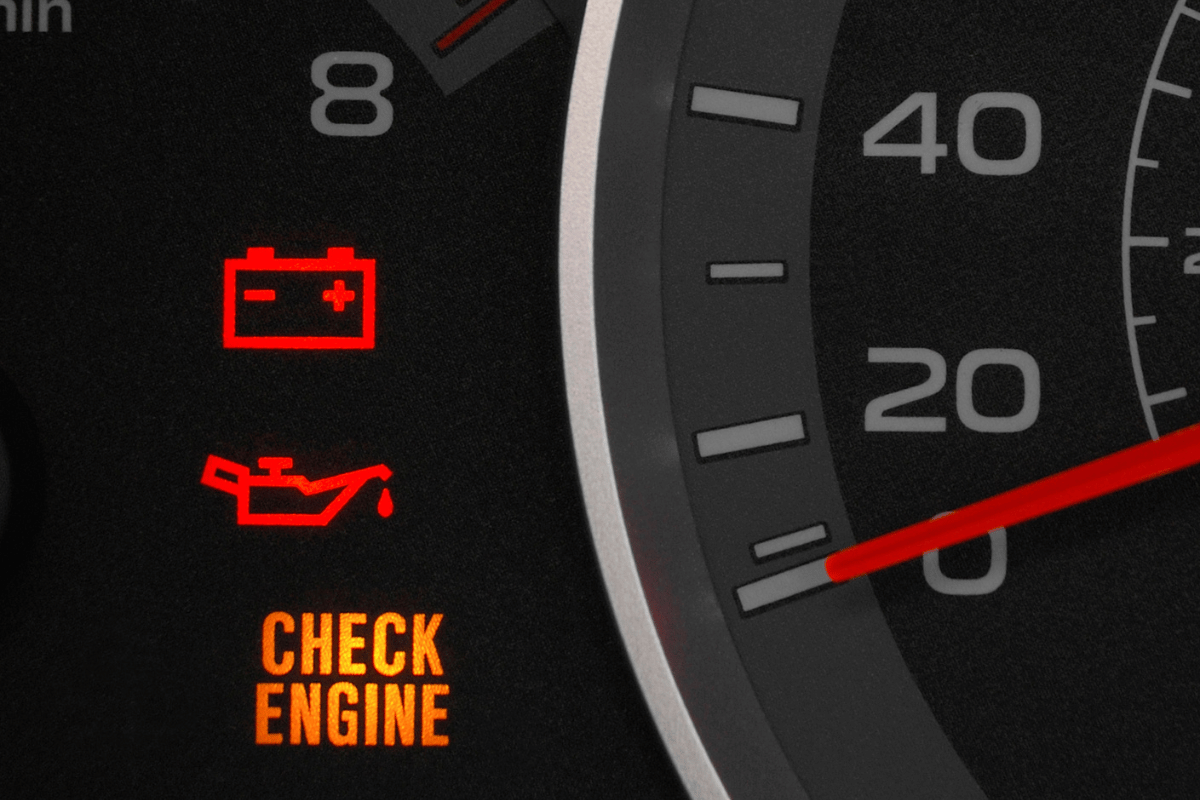
Most vehicles have a battery-shaped warning light. When it turns on while driving, it usually indicates a problem with the charging system.
Many drivers ignore this light because the car still runs. That delay often leads to a complete breakdown later.
Unusual Noises From the Engine
A failing alternator can produce a whining or grinding sound. This usually comes from worn bearings or a loose belt connected to the alternator.
The sound may become louder when you turn on electrical components, which puts more load on the system.
Burning Smell Under the Hood
If you notice a burning rubber or electrical smell, it could mean the alternator is overheating or the belt is wearing out.
This is not something to ignore. It often signals that the component is close to failing completely.
Trouble Starting or Sudden Stalling
As the alternator weakens, it can no longer supply enough power to keep the engine running.
You may notice your car struggling to start or even stalling while driving. When this happens, the situation can escalate quickly, especially in traffic.
What Happens If You Ignore These Signs
Alternator failure doesn’t just affect one part of your vehicle. It creates a chain reaction.
At first, you may only notice dim lights or slow electronics. Then the battery drains. Eventually, the engine loses power and shuts down completely.
Many drivers experience this while driving, not while parked. That’s what makes it risky.
A Common Breakdown Scenario
Picture this. You’re driving through Halifax in the evening.
Your headlights start dimming. The dashboard lights flicker. The radio cuts out. Within minutes, your car loses power and stops in the middle of the road.
This is a typical alternator failure sequence. Once the battery runs out, the car cannot continue running.
What You Should Do If You Notice These Symptoms
If your vehicle shows signs of alternator trouble, don’t wait for it to fail completely.
Reduce the electrical load by turning off non-essential features. Avoid long drives. Most importantly, be prepared for the possibility that your car may stop running at any time.
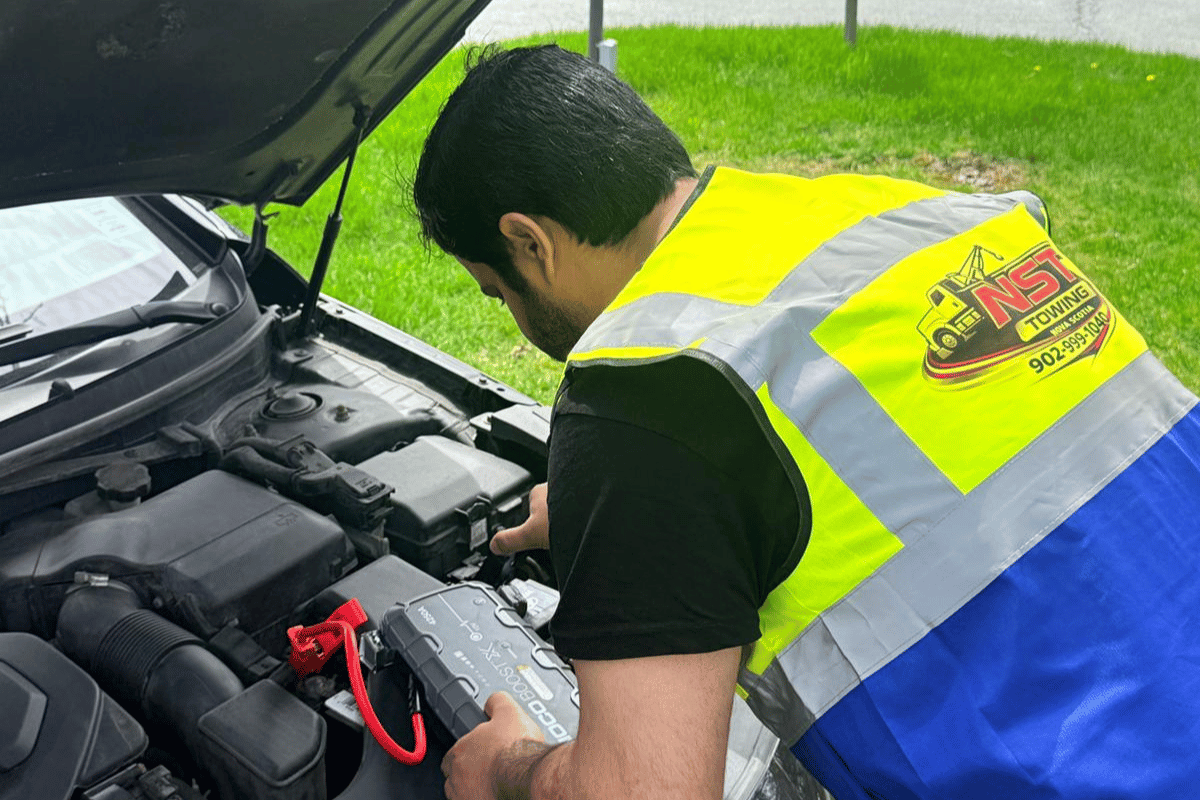
If the vehicle stalls or won’t start, the safest option is to have it towed rather than trying to push it further.
When Alternator Problems Become an Emergency in Halifax, NS
In Halifax, NS, conditions can make breakdowns more stressful. Cold weather, traffic congestion, and long commutes increase the risk.
An alternator issue becomes urgent when:
- Your car stalls while driving
- The engine won’t start
- Lights go extremely dim or stop working
- You hear loud mechanical noises or smell burning
In these situations, getting fast roadside help is important to stay safe and avoid further damage.
Can You Still Drive With a Failing Alternator?
Technically, yes, but only for a very short time.
Once the alternator stops working, your car runs only on battery power. That power drains quickly, often within minutes. After that, the engine shuts off completely.
Driving in this condition is unpredictable and risky.
How to Reduce the Risk of Alternator Failure
Alternators don’t usually fail overnight. They wear out over time.
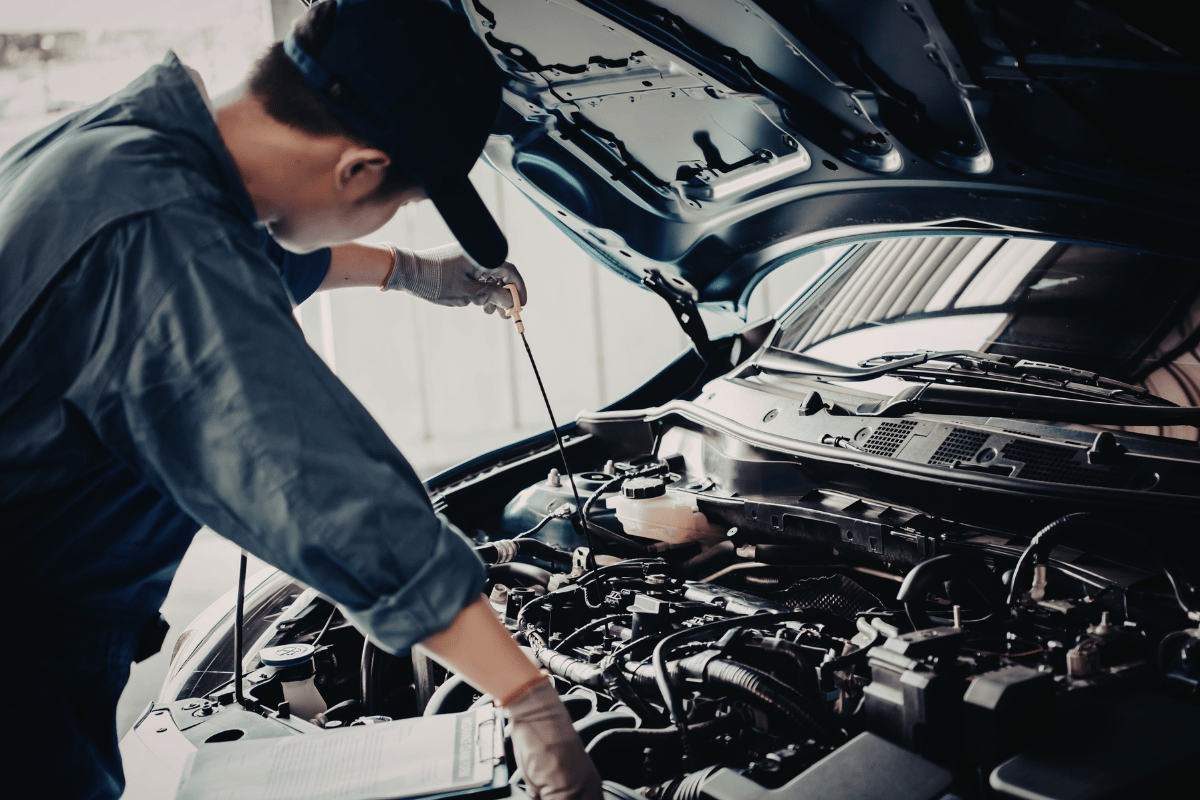
Regular vehicle checks can help catch early signs. Paying attention to unusual sounds, warning lights, or electrical issues can prevent a roadside emergency.
Even something as simple as noticing dim headlights early can save you from being stranded later.
FAQs
How do I know if my alternator is failing or my battery is dead?
If your car starts with a jump but dies shortly after, the alternator is likely the issue rather than the battery.
What happens when the alternator fails completely?
The battery drains, electrical systems shut down, and the engine stops running.
How long do alternators usually last?
Most alternators last between 80,000 and 150,000 miles depending on usage and driving conditions.
Is it safe to drive with a bad alternator?
It is not recommended. The car can shut off without warning, especially while driving.
Will my car warn me before the alternator fails?
Yes. Signs like dim lights, warning lights, and electrical problems usually appear first, but they are often ignored.
A failing alternator gives clear warning signs, but they are easy to overlook until it’s too late. Catching the problem early can save you from a sudden breakdown, costly repairs, and stressful roadside situations.
If your car starts showing electrical issues, don’t ignore them. Acting early is always safer than dealing with a vehicle that stops unexpectedly.