
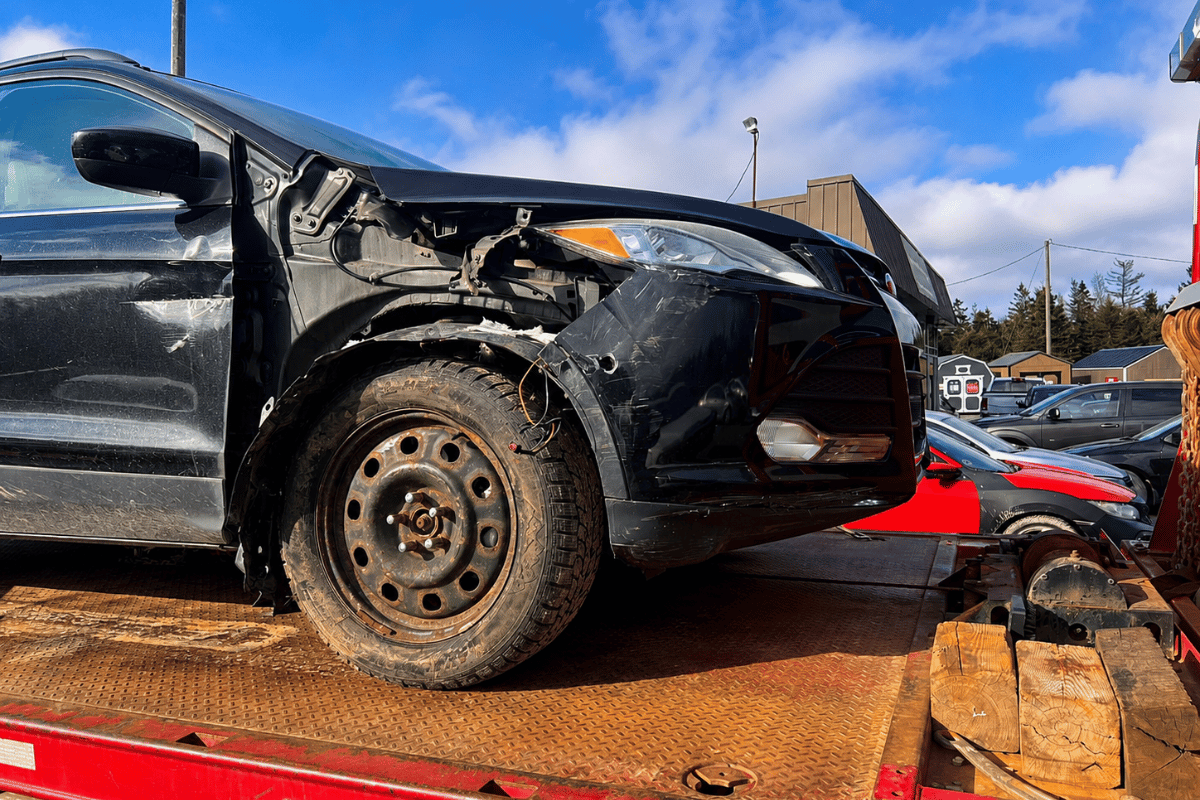
If your car has ever stopped working at the worst possible moment, there’s a good chance it happened on one of Halifax’s busiest roads.
Many drivers search for “towing near me” only after they are already stuck. The reality is that certain roads in Halifax are far more likely to lead to breakdowns, accidents, and emergency roadside calls. With over 5,400 collisions reported each year, a small number of high-risk roads account for a large share of these incidents.
This guide explains which roads are the most dangerous, why breakdowns happen there, and how to stay prepared.
Why Some Roads in Halifax Lead to More Breakdowns
Road conditions in Halifax create unique challenges. The city has steep hills, unpredictable coastal weather, and infrastructure that hasn’t fully kept up with traffic growth.
High-speed highways increase the severity of breakdowns, while urban roads with tight merges and heavy congestion increase the chances of sudden stops and collisions. Winter conditions make everything worse, especially when black ice reduces traction without warning.
Highway 102 (Halifax to Truro)
Highway 102 is the busiest highway in the province and one of the most common locations for emergency towing calls. Vehicles travel at high speeds, and there are limited safe areas to pull over.
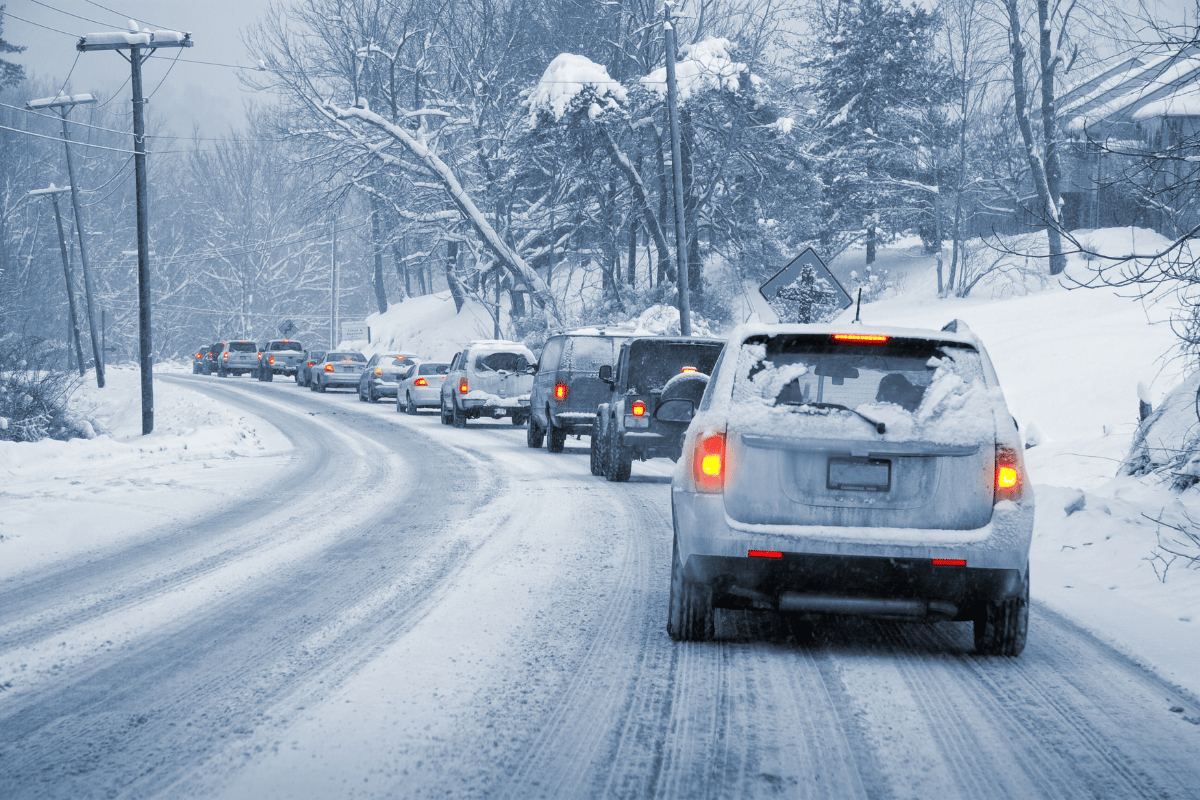
In winter, whiteout conditions and black ice make breakdowns especially dangerous. Drivers often find themselves stranded in fast-moving traffic with little room to react.
Bayers Road and Highway 102 Connector
This area is known for heavy congestion and complex merging patterns. Traffic moves quickly from highway speeds into city streets, which leads to sudden braking and frequent minor collisions.
Breakdowns here often happen during rush hour when vehicles are already tightly packed and drivers have little space to maneuver.
Burnside Drive in Dartmouth
Burnside is a major industrial corridor with constant truck traffic. The mix of large commercial vehicles and everyday commuters increases the chances of accidents and mechanical stress on vehicles.
Frequent stops, turns, and heavy loads make this area a common place for breakdowns.
Highway 107 Exit 18 at Highway 7
This interchange is one of the most collision-prone areas in Nova Scotia. Drivers often struggle with the layout, especially when merging at high speeds.
Sudden braking and confusion around exits create a high risk for both accidents and vehicle issues.
Robie Street (North End Halifax)
Robie Street is a busy urban road with a noticeable downhill grade. Vehicles tend to pick up speed quickly, and intersections can be difficult to navigate.
Breakdowns here are often linked to stop-and-go traffic and frequent collisions at intersections.
Highway 103 (Halifax to South Shore)
This highway is known for long stretches without services, which makes running out of fuel a real concern. Drivers may go many kilometers without access to gas stations or roadside help.
Fog, wildlife crossings, and changing weather conditions add to the risk. The highway has also been identified as one of the more dangerous routes in Nova Scotia due to its collision history.
Bedford Highway
The Bedford Highway runs along the water and has narrow lanes with limited shoulder space. If a vehicle breaks down, there is often nowhere safe to pull over.
The combination of curves, traffic volume, and tight space makes even minor issues stressful for drivers.
Portland Street (Dartmouth)
This is a busy commercial area where traffic frequently stops and starts. Vehicles are constantly turning into businesses, which leads to sudden braking.
Breakdowns here often happen in heavy traffic, increasing the risk of secondary accidents.
Albro Lake Road and Victoria Road
This intersection has poor visibility and complex traffic flow. Drivers often have difficulty making safe turns, especially during busy hours.
These conditions increase both collision risk and the likelihood of roadside incidents.
Armdale Roundabout and Chebucto Road
This area combines multiple major roads into one roundabout, which can confuse drivers unfamiliar with the layout.
Flooding during heavy rain and constant lane changes add to the challenge, making it a common location for breakdowns and minor collisions.
When Breakdowns Are Most Likely in Halifax
Breakdowns follow clear seasonal patterns. Winter is the busiest time due to battery failures and icy conditions. Spring brings potholes that damage tires, while summer sees more overheating engines and fuel-related issues.
Rush hour also plays a major role, as heavy traffic increases the chance of both mechanical strain and collisions.
What to Do If Your Car Breaks Down
If your vehicle stops working on a busy road, staying calm and acting quickly is critical. Move your vehicle off the road if possible, turn on your hazard lights, and remain inside if traffic is heavy.
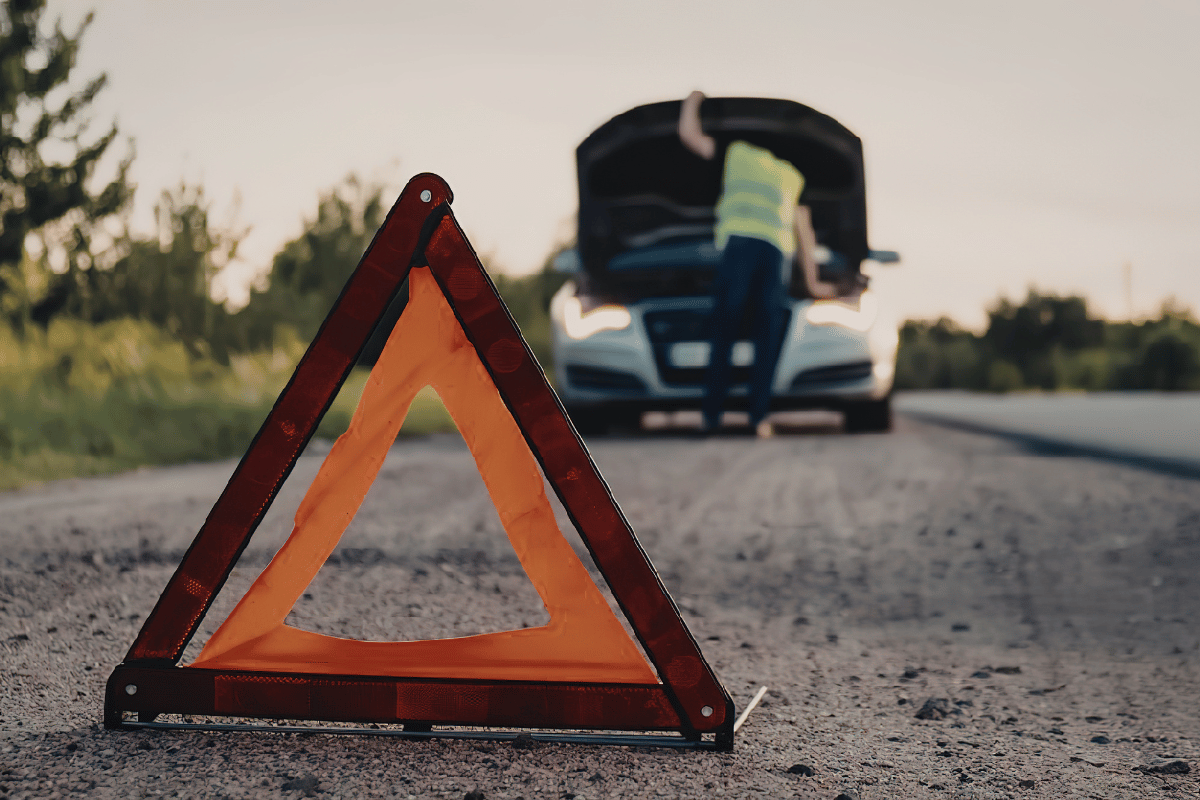
Calling a professional towing service right away is the safest option, especially on highways where conditions can change quickly.
Preventing Breakdowns on Halifax Roads
Most breakdowns can be avoided with simple preparation. Regular maintenance, checking your battery before winter, and keeping enough fuel in your tank can reduce your risk significantly.
Drivers who prepare ahead of time are far less likely to experience emergencies on high-risk roads.
24/7 Towing and Roadside Assistance in Halifax
Breakdowns can happen anywhere, but response time matters most when you are on a dangerous road.
Halifax Towing Service – NST provides 24/7 emergency towing and roadside assistance across Halifax, including all major highways and high-risk areas. Services include towing, battery boost, fuel delivery, tire changes, and long-distance towing.
Phone: +1 902-989-4848
Location: 301 Lacewood Dr, Halifax, NS
Frequently Asked Questions
What is the most dangerous road in Halifax?
Highway 102 is considered the most dangerous due to high speeds, heavy traffic, and winter conditions.
Why do breakdowns happen more on certain roads?
Breakdowns are more common on roads with heavy traffic, high speeds, limited stopping areas, and difficult weather conditions.
Are highways more dangerous than city roads?
Highways are riskier during breakdowns because of speed and limited space, while city roads have more frequent minor collisions.
What should I do if my car breaks down at night?
Turn on hazard lights, stay inside your vehicle if it’s safe, and call a towing service immediately.
Is towing available 24/7 in Halifax?
Yes, Halifax Towing Service offers 24/7 emergency towing and roadside assistance throughout Halifax and nearby areas.
Which season has the most vehicle breakdowns?
Winter sees the highest number of breakdowns due to cold weather, battery issues, and icy roads.