A serious collision, years of rust, or a major mechanical failure can leave a vehicle sitting in the driveway with no realistic path back onto the road. That situation is common across Nova Scotia, especially after long winters where road salt, moisture, and freeze-thaw cycles take a toll on older vehicles. When repairs cost more than the vehicle is worth, selling it for salvage is often the most practical decision.
Many Halifax vehicle owners are unsure where to begin. Questions about ownership documents, towing, insurance, and vehicle value come up regularly. After years of working with damaged and non-running vehicles throughout Halifax and surrounding communities, one thing has become clear. The process is much easier when you know what buyers are looking for and what steps to take before the vehicle leaves your property.
What Is Considered a Wrecked Car?
A wrecked car is not always a vehicle that has been involved in a major accident. In Nova Scotia, it can also include cars with severe rust damage, blown engines, failed transmissions, flood damage, or vehicles that no longer pass inspection. Some have been parked for years because the cost of repairs simply does not make financial sense.
Insurance companies may declare a vehicle a total loss after a collision, but many privately owned vehicles also reach the point where salvage is the best option without ever being written off by an insurer.
Why Selling for Salvage Makes Sense
Repair costs have increased steadily over the years, especially when replacement parts and labour are involved. Once structural damage, extensive rust, or major drivetrain problems appear, many owners decide it is better to recover some value rather than continue spending money.
A salvage buyer looks beyond whether the vehicle runs. Engines, transmissions, catalytic converters, aluminum wheels, batteries, body panels, and many other components may still have value. Even heavily damaged vehicles often contain recyclable metal that can be processed responsibly.
For many people, selling a wrecked vehicle also frees up valuable parking space and removes an eyesore before another Nova Scotia winter causes even more deterioration.
Gather Your Vehicle Information First
Before contacting a buyer, take a few minutes to collect the basic information about the vehicle. Having these details ready helps speed up the process and allows for a more accurate quote.
The year, make, model, approximate mileage, and current condition are the most important details. Mention whether the engine starts, whether the vehicle can roll freely, and if it has been involved in an accident. If there is significant rust underneath or damage to the frame, mention that as well.

Photos are also helpful. Clear pictures of the front, rear, sides, and any major damage allow the buyer to understand the vehicle’s condition before arranging pickup.
Make Sure You Have Proof of Ownership
In Nova Scotia, the registered owner should have the vehicle registration or other acceptable ownership documentation available when selling a vehicle for salvage. This protects both the seller and the buyer.
If the paperwork has been misplaced, it is worth resolving that issue before scheduling removal. Having everything ready usually makes the transaction much smoother on pickup day.
Don’t Worry if the Vehicle Does Not Run
Many owners assume their vehicle has little or no value because it cannot be driven. That is rarely the case.
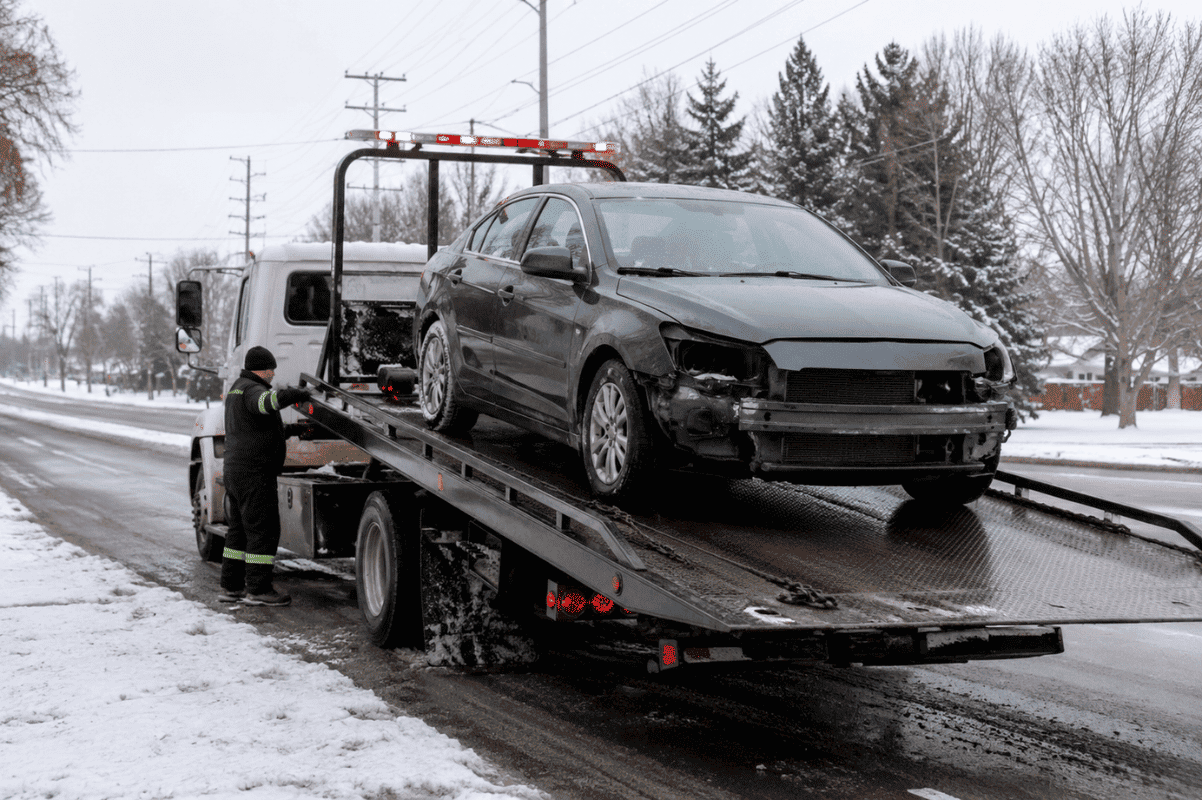
Professional salvage buyers regularly purchase vehicles with seized engines, broken transmissions, collision damage, flat tires, or missing parts. Equipment designed for vehicle recovery allows non-running vehicles to be loaded safely without creating additional damage to your driveway or surrounding property.
That is one reason many local residents searching online for cash for junk cars eventually choose a company that provides both purchasing and vehicle removal instead of trying to arrange transportation separately.
How Vehicle Pickup Usually Works
Once a quote has been accepted, a pickup time is arranged that works for both parties.
On arrival, the driver verifies the vehicle information and ownership documents before loading the vehicle onto the truck. Depending on the vehicle’s condition and location, different recovery equipment may be used to safely remove it.
This process is especially helpful for vehicles parked in tight driveways, apartment parking areas, or locations where they have been sitting for several years.
When professional recovery equipment is used correctly, even vehicles with locked wheels or severe mechanical failures can usually be removed without unnecessary complications.
If transportation is needed, a reliable towing service Halifax can safely move damaged vehicles throughout Halifax Regional Municipality and surrounding Nova Scotia communities.
Factors That Affect Salvage Value
No two wrecked vehicles have exactly the same value. Several factors influence what a buyer may offer.
The age of the vehicle matters, but condition is usually even more important. A newer vehicle with heavy collision damage may contain many valuable reusable components. An older vehicle with extensive corrosion may still have value because of recyclable metal and functioning mechanical parts.
Current scrap metal prices also affect salvage values. These prices change over time, which is why quotes can vary throughout the year.
Vehicles with complete drivetrains, catalytic converters, aluminum wheels, and relatively intact interiors may also receive higher offers than heavily stripped vehicles.
Nova Scotia Weather Can Reduce Vehicle Value
One mistake many owners make is leaving a wrecked vehicle sitting outside for months after deciding to sell it.
Nova Scotia’s climate is not kind to unused vehicles. Snow, rain, coastal humidity, and road salt continue damaging exposed metal even after the vehicle is no longer being driven. Rust spreads, interiors develop moisture problems, and usable components deteriorate faster.

Selling sooner often helps preserve whatever value remains rather than allowing another winter to reduce it further.
This is especially true for vehicles parked near the coast where salty air accelerates corrosion.
Local Knowledge Makes a Difference
Halifax and surrounding communities present challenges that companies from outside the region may not fully understand.
Vehicles break down along Highway 102, rural roads outside Goodwood, residential streets in Clayton Park, busy commercial areas around Burnside, and neighbourhoods throughout Dartmouth, Bedford, Sackville, and Cole Harbour. Winter storms, steep driveways, and limited parking all require practical experience when recovering damaged vehicles.
Local operators are also familiar with traffic patterns around Halifax Stanfield International Airport and understand how changing weather conditions can affect scheduling and vehicle access throughout the year.
That local experience often results in smoother pickups and fewer delays.
Prepare the Vehicle Before Pickup
Before the truck arrives, remove all personal belongings from the vehicle.
Check the glove compartment, centre console, trunk, door pockets, and under the seats. Important documents, garage door openers, sunglasses, phone chargers, tools, and licence plates are commonly forgotten.
If insurance coverage is still active, contact your insurance provider after the sale to confirm any necessary changes. If the vehicle will no longer be registered for road use, make sure all applicable provincial requirements have been completed.
Taking a few extra minutes beforehand helps avoid unnecessary inconvenience later.
Choosing the Right Salvage Buyer
Not every buyer provides the same level of service.
Choose a company that clearly explains the process, answers questions honestly, and schedules pickup within a reasonable timeframe. Clear communication matters, especially when dealing with vehicles that cannot be driven.
A local company familiar with Halifax and nearby Nova Scotia communities is often better equipped to provide dependable scheduling, efficient recovery, and straightforward service without unnecessary delays.
Selling a wrecked vehicle should not be stressful. With the proper documentation ready and accurate information about the vehicle, the process is usually quick and uncomplicated.
Ready to Sell Your Wrecked Car?
If you have a wrecked, damaged, totalled, or non-running vehicle anywhere in Halifax, Dartmouth, Bedford, Sackville, Clayton Park, Cole Harbour, Burnside, Goodwood, or surrounding Nova Scotia communities, Halifax Towing Service NST is ready to help.
Call (902) 989-4848 to request a quote or visit https://halifaxtowingservices.ca to learn more about vehicle removal and salvage services.